A Japanese tea ceremony is one of the easiest ways to experience traditional Japanese culture during a trip to Tokyo.
You don’t need to understand the rules beforehand. Many tea ceremony experiences in Tokyo are designed for international visitors and explain the traditions in English while allowing you to prepare and enjoy matcha yourself.
Here are the main types of tea ceremony experiences to consider.
Traditional Tea Ceremony Experiences
Best for: First-time visitors and Japanese culture lovers
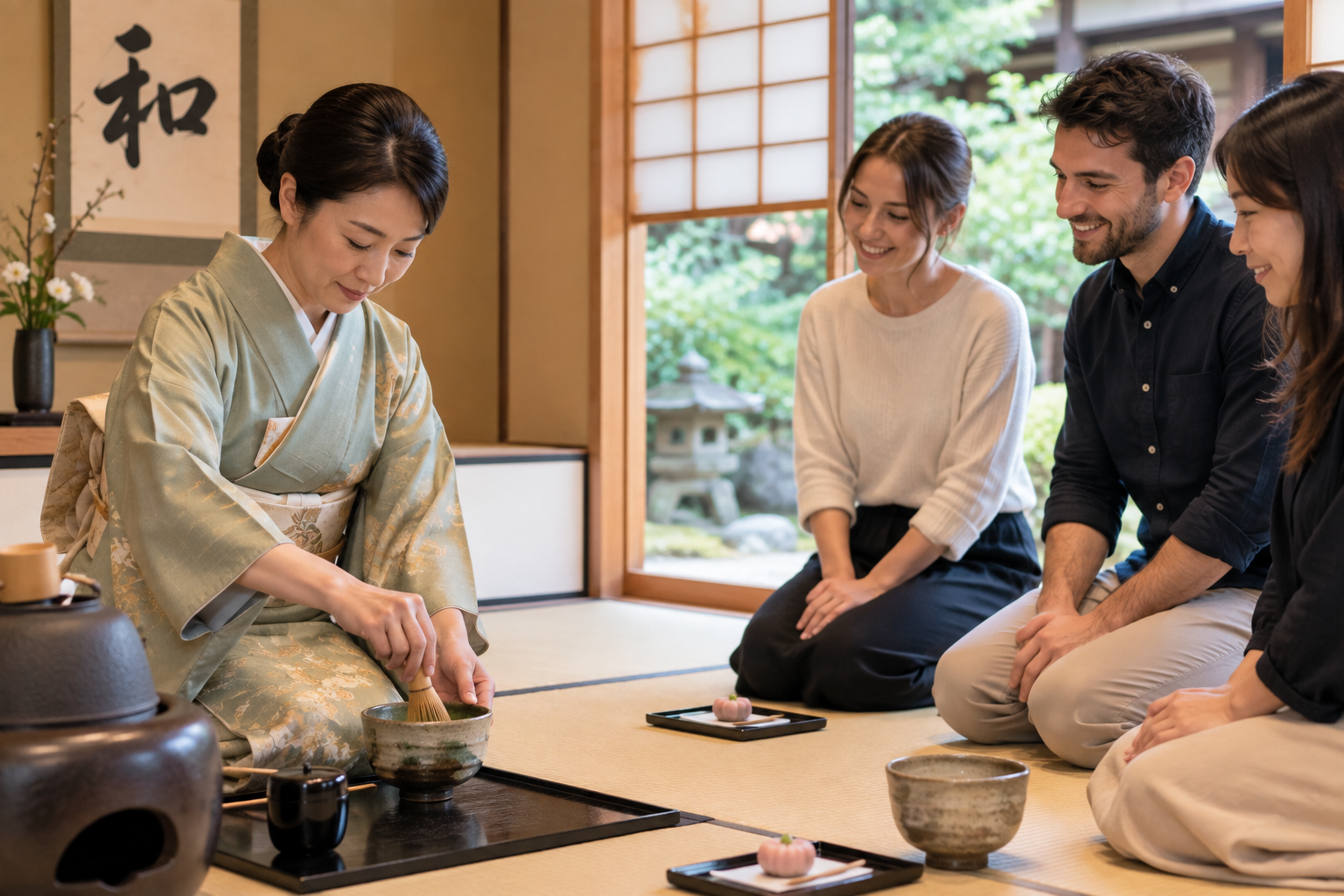
A traditional tea ceremony introduces you to the basic customs and meaning behind Japanese tea culture.
You’ll usually watch the host prepare matcha before learning how to enjoy the tea and traditional Japanese sweets.
Depending on the experience, you may also have the opportunity to prepare your own bowl of matcha.
These experiences are generally beginner-friendly, so don’t worry about knowing tea ceremony etiquette before you arrive.
Check current traditional tea ceremony experiences in Tokyo.
Tea Ceremony Experiences in Asakusa
Best for: Combining traditional sightseeing and culture
Asakusa is one of the most convenient areas to experience a Japanese tea ceremony.
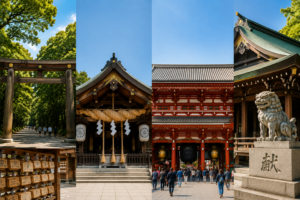
You can visit Senso-ji, explore Nakamise Street, have lunch, and add a tea ceremony without traveling across Tokyo.
Many experiences in the area are designed for international visitors and offer explanations in English.
Check current tea ceremony experiences in Asakusa.
Tea Ceremony with Kimono
Best for: Couples, families, and photography
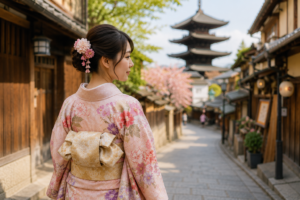
If you want a more immersive experience, combine a tea ceremony with wearing a kimono.
You’ll normally be professionally dressed before participating in the ceremony.
Some experiences also include time for photos or walking around the surrounding neighborhood afterward.
This is especially popular in traditional areas such as Asakusa.
Check current kimono and tea ceremony experiences in Tokyo.
Private Tea Ceremony
Best for: Couples and travelers looking for a quieter experience
A private tea ceremony offers a more personal introduction to Japanese tea culture.
With fewer participants, you’ll generally have more opportunities to ask questions and learn about the meaning behind the movements, utensils, and traditions.
Private experiences usually cost more than group sessions but can feel much more relaxed.
Check current private tea ceremony experiences in Tokyo.
Tea Ceremony & Wagashi Experience
Best for: Matcha and Japanese sweets lovers
Matcha is traditionally enjoyed with wagashi, Japanese sweets designed to complement the bitterness of the tea.
Some experiences go one step further and teach you how to make or decorate wagashi before participating in the tea ceremony.
This is a good option if you’re interested in both Japanese food and traditional culture.
Check current tea ceremony and wagashi experiences.
How Long Does a Tea Ceremony Take?
Many visitor-friendly tea ceremony experiences take around 45 minutes to 1.5 hours.
Experiences that include kimono dressing, photography, wagashi making, or other activities can take considerably longer.
Always check the total duration before booking.
Do You Need to Know Tea Ceremony Etiquette?
No.
Experiences designed for international visitors will normally explain what to do.
Your host may show you:
- How to receive the tea
- How to hold the bowl
- When to bow
- How matcha is prepared
- How Japanese sweets are enjoyed with tea
The point is to experience and learn about the tradition — not to perform everything perfectly.
Do You Have to Sit on the Floor?
Not necessarily.
Traditional tea rooms often use tatami flooring, but some experiences provide chairs or seating arrangements for visitors who cannot comfortably sit on the floor.
If you have difficulty kneeling or sitting on tatami, check the seating arrangements before booking.
This can be particularly important for seniors or anyone with limited mobility.
What Should You Wear?
Regular comfortable clothing is fine unless the experience includes kimono rental.
You’ll normally remove your shoes before entering a traditional tatami room, so wearing socks is a good idea.
Avoid very short skirts or clothing that makes sitting on the floor uncomfortable if your ceremony uses traditional seating.
Is a Tea Ceremony Worth It?
If you’re interested in Japanese culture, yes.
It offers a very different experience from Tokyo’s busy streets, shopping districts, and modern attractions.
It’s also relatively easy to fit into a sightseeing day because many experiences take around an hour.
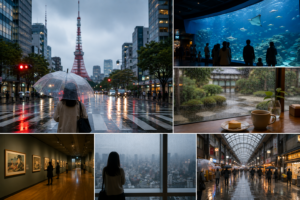
And because it’s indoors, a tea ceremony is a particularly good activity during rainy weather or Tokyo’s hot summer months.
If you want to try both kimono rental and a tea ceremony, look for a combined experience rather than booking them separately.
It can be easier, and you’ll know that the timing has been arranged properly.
Asakusa is particularly convenient because you can combine Senso-ji, Nakamise Street, kimono, and a tea ceremony in the same area.
And don’t worry about making mistakes. Visitor-friendly tea ceremonies are there to introduce you to Japanese culture, not test your etiquette.
Related Guides
・Best Unique Experiences in Tokyo
・Best Kimono Experiences in Tokyo
・Best Traditional Craft Experiences in Tokyo
・Best Japanese Desserts in Tokyo
・Best Things to Do in Tokyo