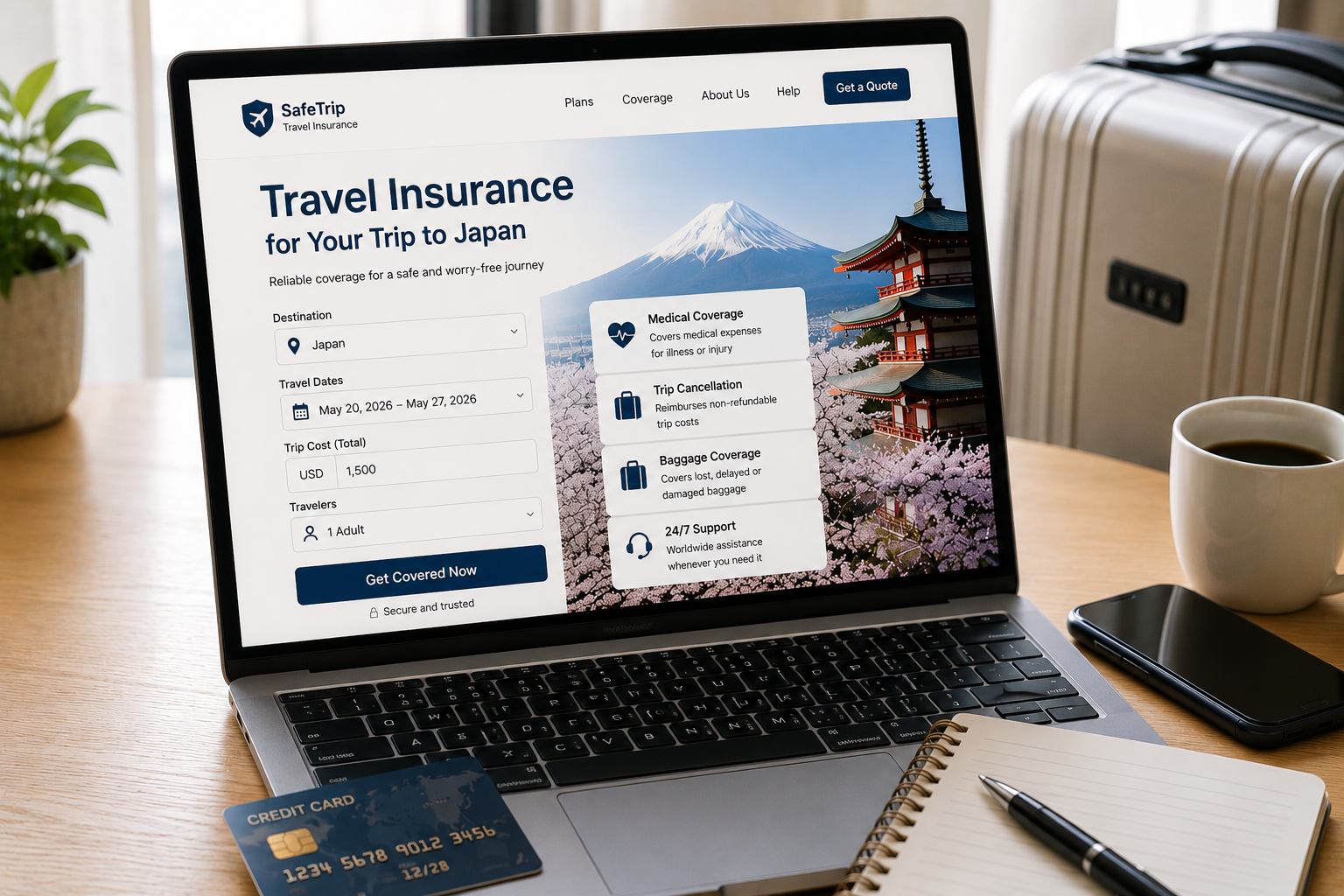
Japan is generally a safe and easy country to travel around, but unexpected problems can still happen.
A sudden illness, accident, lost luggage, cancelled flight, or emergency hospital visit can quickly become expensive and stressful — especially when you are far from home.
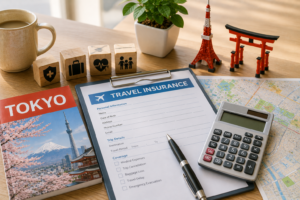
Travel insurance is not generally required to enter Japan as a tourist, but it is strongly recommended.
Here’s what to consider when choosing travel insurance for your trip to Japan.
Do You Need Travel Insurance for Japan?
Travel insurance is usually optional for tourists visiting Japan.
However, foreign visitors are generally responsible for their own medical expenses while traveling in Japan.
Even a relatively simple medical problem may involve consultation fees, tests, medication, or hospital treatment.
Having appropriate insurance can help protect you from unexpected costs.
What Should Travel Insurance for Japan Cover?
Policies vary considerably, so always check the details before purchasing.
For a trip to Japan, consider coverage for:
・Emergency medical treatment
・Hospitalization
・Emergency medical evacuation
・Trip cancellation or interruption
・Flight delays or cancellations
・Lost, stolen, or delayed luggage
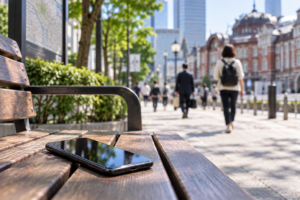
・Lost or stolen personal belongings
・Personal liability
The cheapest policy is not necessarily the best one. Check the coverage limits and exclusions as well as the price.
Medical Expenses in Japan
Japan has an excellent healthcare system, but tourists are not covered by Japan’s public health insurance simply because they are visiting the country.
You may be required to pay the full cost of treatment yourself.
Some hospitals and clinics may ask international patients to pay upfront and claim the cost from their travel insurer later.
Keep all medical receipts, invoices, prescriptions, and other documents in case you need to make an insurance claim.
Does Travel Insurance Cover Pre-Existing Medical Conditions?
Not always.
Some policies exclude pre-existing medical conditions completely, while others may provide coverage under certain conditions or for an additional fee.
If you have an existing condition, check the policy carefully before purchasing.
Do not assume that ordinary medical coverage automatically includes it.
What About Prescription Medication?
If you regularly take prescription medication, bring enough for your trip whenever possible.
Keep medication in its original packaging and carry a copy of your prescription or a letter from your doctor if appropriate.
Japan has strict rules regarding certain medicines, and some medications that are legal in other countries may be restricted.
Travel insurance does not override Japanese rules about bringing medication into the country.
Does Travel Insurance Cover Lost Luggage?
Many comprehensive travel insurance policies include some protection for lost, stolen, or delayed luggage.
However, there may be limits for individual items such as:
・Cameras
・Laptops
・Smartphones
・Jewelry
・Cash
Check the maximum amount covered for individual valuables before traveling.
If something is stolen in Japan, your insurer may require a police report before accepting a claim.
What About Natural Disasters?
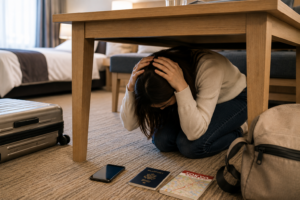
Japan experiences earthquakes, typhoons, heavy rain, and other natural events.
Travel insurance may provide coverage for certain cancellations, delays, or interruptions caused by natural disasters, but the exact conditions vary by policy.
One important point is when you purchase the insurance.
If a typhoon or other event is already known or officially forecast when you buy the policy, related claims may not be covered.
Always read the policy conditions carefully.
Does Travel Insurance Cover Activities?
Not necessarily.
Standard policies may exclude certain activities considered higher risk.
If you plan to ski, snowboard, hike in remote areas, scuba dive, cycle extensively, or participate in adventure activities, check whether they are included.
You may need additional coverage.
Check Your Credit Card Before Buying Insurance
Some credit cards include travel insurance benefits.
Before purchasing a separate policy, check whether your credit card already provides coverage for overseas travel.
Pay particular attention to:
・Medical coverage limits
・Trip cancellation coverage
・Luggage coverage
・Whether you must pay for the trip with the card
・How long the coverage lasts
・Who in your family is covered
Credit card insurance can be useful, but the coverage may be more limited than a dedicated travel insurance policy.
What to Do If You Need Medical Treatment in Japan
If you become sick or injured:
- Contact your travel insurance provider if possible.
- Ask whether they can recommend a nearby medical facility.
- Check whether direct billing is available.
- Keep all receipts and medical documents.
- Follow your insurer’s instructions for making a claim.
For a serious or life-threatening emergency in Japan, call 119 for an ambulance.
Do not delay emergency treatment while trying to contact your insurer.
What Is Cashless Medical Treatment?
Some travel insurance companies have arrangements with certain hospitals and clinics that allow eligible travelers to receive treatment without paying the full medical bill upfront.
This is sometimes called cashless medical treatment or direct billing.
Availability depends on your insurance company, policy, medical facility, and circumstances.
If this feature is important to you, check whether your policy offers it before traveling.
Keep Your Insurance Details Accessible
Save your insurance information somewhere you can easily access it during your trip.
Keep:
・Your policy number
・Emergency assistance telephone number
・Insurance company contact details
・A digital copy of your policy
・Instructions for making a claim
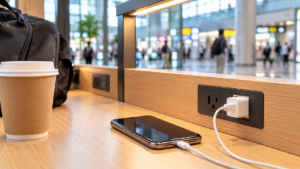
It is also useful to keep this information somewhere other than only on your phone in case your phone is lost or damaged.
When comparing travel insurance, don’t look only at coverage for cancelled flights or lost luggage. Medical coverage is one of the most important things to check for a trip to Japan.
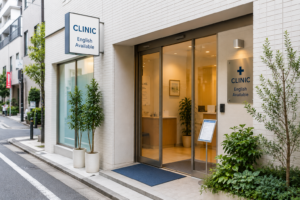
Also check whether your insurer offers a 24-hour assistance service and can help you locate an English-speaking medical facility.
If you need treatment during your trip, contact your insurer before visiting a hospital when the situation is not an emergency. They may be able to direct you to a suitable clinic and explain how payment will work.
And keep every receipt — even small ones. You may need them when making a claim after your trip.
Related Guides
・Emergency Guide for Tourists in Japan
・Where to Find English-Speaking Doctors in Tokyo
・What to Do If You Lose Your Passport in Japan
・How to Buy Medicine in Japan
・Japanese Drugstore Guide